


-

Add: HeBei ShengShi HongBang Cellulose Technology CO.,LTD.
-

Email
13180486930@163.com -

CONTACT US
+86 13180486930
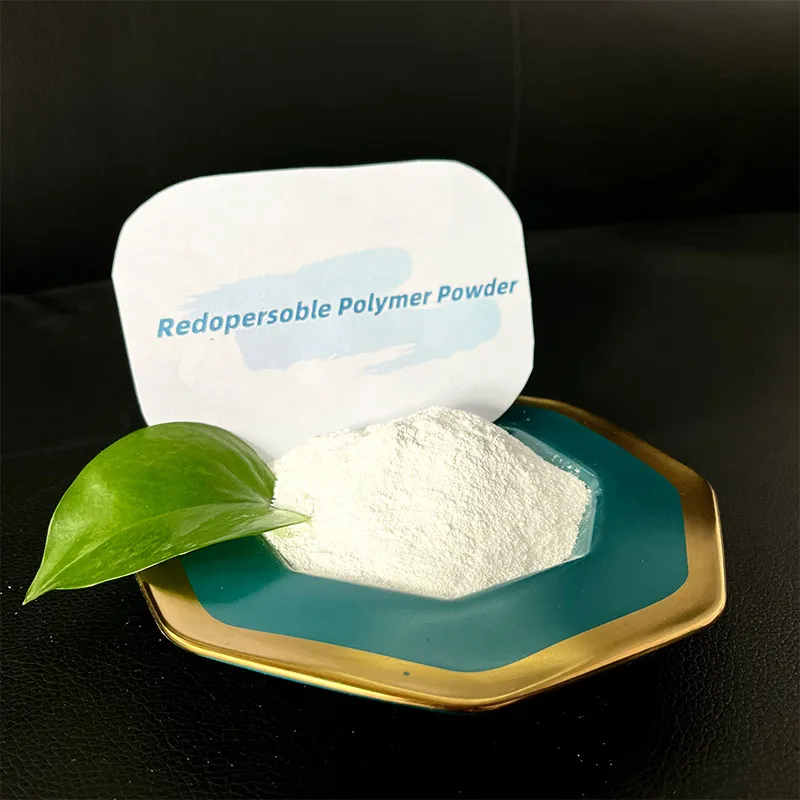
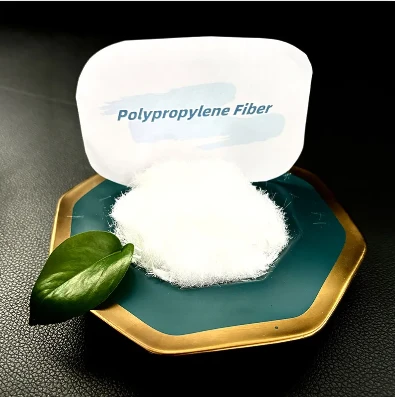
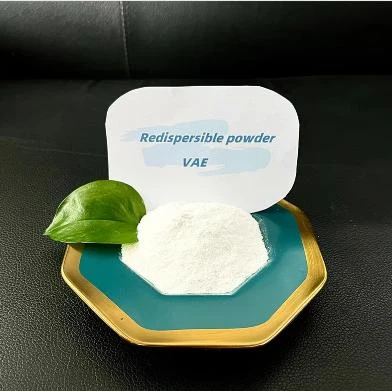



When it comes to enhancing the durability and strength of concrete, polypropylene fiber is an indispensable material. Known for its lightweight, corrosion-resistant properties, polypropylene fiber is widely used in construction to reinforce concrete, making it stronger, more durable, and more flexible. The addition of polypropylene fiber improves the overall performance of concrete by reducing cracking, improving freeze-thaw resistance, and providing better impact resistance. Whether you're working on large-scale infrastructure projects or residential buildings, incorporating polypropylene fiber into your concrete mix ensures high-quality, long-lasting results. Polypropylene Fiber in Concrete: Revolutionizing the Industry Polypropylene fiber in concrete is becoming a standard practice for improving the structural integrity of concrete mixes. When added to concrete, polypropylene fiber in concrete helps reduce the risk of microcracking, which can occur due to shrinkage or thermal stresses. The fibers disperse evenly throughout the mix, creating a more uniform and cohesive material. As a result, polypropylene fiber in concrete enhances the concrete’s durability and toughness, especially in high-stress environments like industrial flooring, highways, and bridges. With the increasing demand for sustainable construction, polypropylene fiber in concrete offers an affordable, eco-friendly solution for improving material performance. Find Quality Polypropylene Fiber for Sale Are you looking for polypropylene fiber for sale ? Look no further! We offer high-quality polypropylene fiber that meets the needs of various industries, especially in construction. Whether you’re looking to reinforce concrete, improve asphalt, or enhance other building materials, we have the right polypropylene fiber for sale for your project. Available in various grades and specifications, our polypropylene fiber products are designed to offer excellent performance, ease of use, and long-lasting results. Browse our selection of polypropylene fiber for sale and find the perfect match for your needs today! Understanding the Factors Behind Polypropylene Fiber Price The polypropylene fiber price can vary based on several factors, including the quality of the fiber, the quantity purchased, and the supplier. Typically, polypropylene fiber price is determined by the raw materials used, the manufacturing process, and the specific properties of the fiber. While polypropylene fiber price may differ between suppliers, investing in high-quality fibers ensures long-term benefits in terms of strength and durability. If you’re looking for the best value for your project, we offer competitive polypropylene fiber price s without compromising on quality. Contact us to discuss your requirements and get the most cost-effective solution for your concrete reinforcement needs. Why Choose Our Polypropylene Fiber for Your Construction Needs? Our polypropylene fiber products are carefully manufactured to meet the highest standards of quality and performance. Whether you need polypropylene fiber for sale in bulk for a large construction project or in smaller quantities for a specialized application, we can cater to your specific needs. With outstanding benefits like increased crack resistance, reduced shrinkage, and enhanced concrete durability, our polypropylene fiber is the perfect choice for improving the structural integrity of concrete. We offer highly competitive polypropylene fiber price s, ensuring that you get the best value for your investment. Trust us to provide top-quality polypropylene fiber for all your construction needs. Polypropylene Fiber FAQs What is polypropylene fiber used for in concrete? Polypropylene fiber in concrete is primarily used to enhance the strength and durability of the material. It helps prevent cracking by controlling shrinkage, improving impact resistance, and increasing freeze-thaw durability. By distributing evenly throughout the concrete mix, polypropylene fiber provides reinforcement that makes the concrete more resistant to stress and wear, resulting in longer-lasting structures. Where can I buy polypropylene fiber for sale? We offer a wide selection of polypropylene fiber for sale that meets the highest standards of quality, ensuring you get the best product for your concrete reinforcement needs. Browse our collection today and take advantage of our competitive prices. How does polypropylene fiber improve concrete? Polypropylene fiber improves concrete by enhancing its structural properties. It helps prevent cracking due to shrinkage, reduces the likelihood of surface wear, and improves the concrete’s resistance to water damage. Additionally, polypropylene fiber increases the material’s ability to withstand thermal and mechanical stresses, making it ideal for a wide range of applications in construction. What factors affect the polypropylene fiber price? The polypropylene fiber price is influenced by factors such as the grade of the fiber, the quantity purchased, and the supplier. High-quality polypropylene fiber designed for heavy-duty applications may have a higher price, while bulk purchases may lower the price per unit. We offer competitive polypropylene fiber price s, ensuring you get the best quality for your budget. Contact us for customized pricing based on your needs. Why should I choose your polypropylene fiber for my project? Our polypropylene fiber is designed for superior performance, offering outstanding crack resistance, durability, and flexibility in concrete. Whether you need polypropylene fiber for sale for a large construction project or a small-scale application, our products meet the highest industry standards. We provide polypropylene fiber at competitive prices, ensuring that you receive great value without compromising on quality. Trust us to deliver the best solution for your concrete reinforcement needs.
- 40000tons

Production
- 20+years

Experience
- 5000+㎡

Acreage

-
In today’s fast-paced manufacturing and construction industries, the demand for sustainable and cost-effective raw materials is driving attention toward rubber powder for sale . Derived from the recycling of used tires and industrial rubber scraps, rubber powder represents not only a valuable resource but a step toward environmental responsibility. Its unique properties—elasticity, durability, and compatibility—make it indispensable across a wide range of applications, from asphalt to playgrounds and waterproofing membranes. The market for rubber powder for sale has grown significantly as businesses seek to cut costs without sacrificing performance. Unlike traditional virgin rubber compounds, recycled rubber powder offers equivalent functional characteristics at a fraction of the cost. It can be used as a filler, modifier, or even a primary material in processes involving injection molding, paving, and sealant formulation. What makes rubber powder for sale truly compelling is its environmental footprint. Reusing discarded rubber helps reduce landfill waste and limits the carbon emissions associated with producing new synthetic rubber. As a circular economy solution, rubber powder addresses both sustainability and performance goals, enabling manufacturers to deliver eco-conscious products that perform reliably across industries. Chlorinated Rubber Powder: Weather Resistance Meets Chemical Durability Among the many types of recycled rubber materials, chlorinated rubber powder holds a special place for its chemical resilience and outdoor durability. This specialized rubber powder is created by chemically modifying natural rubber to introduce chlorine atoms, which significantly improve its resistance to acids, alkalis, solvents, and harsh weather conditions. The resulting chlorinated rubber powder is ideal for use in protective coatings, marine paints, adhesives, and high-performance sealants. Its ability to resist oxidation and degradation under UV light makes it an excellent choice for long-term exposure applications, such as ship hulls, bridges, and outdoor structures. It adheres well to metals, concrete, and composite surfaces, forming a barrier that protects underlying materials from corrosion and mechanical damage. Formulators in the paint and coatings industries rely on chlorinated rubber powder to achieve quick-drying, abrasion-resistant finishes that can withstand years of environmental stress. Additionally, this rubber type boasts low permeability and excellent adhesion, even under wet conditions, offering enhanced performance in safety-critical environments. As industries pivot toward longevity and minimal maintenance, the demand for chlorinated rubber powder continues to rise. Its chemical structure makes it one of the most versatile additives in industrial formulations, valued for both its performance and cost efficiency. Rubber Accelerator Free Gloves: Safety Meets Skin Sensitivity In healthcare, food handling, and cleanroom environments, glove safety isn’t just about barrier protection—it's about skin compatibility and long-term user comfort. That’s where rubber accelerator free gloves come into play. Traditional rubber gloves, while effective at blocking contaminants, often cause allergic reactions due to accelerators like thiurams, carbamates, or mercaptobenzothiazole used in the vulcanization process. These accelerators are known allergens and can trigger contact dermatitis in sensitive users. Rubber accelerator free gloves offer the same strength, elasticity, and tactile sensitivity as traditional gloves, but without the risk of chemical irritants. By eliminating accelerators, manufacturers create gloves that are hypoallergenic and suitable for long-term use in hospitals, laboratories, and high-precision environments. These gloves are also ideal for workers exposed to glove use for extended hours, helping reduce the incidence of occupational dermatitis. In addition to skin safety, rubber accelerator free gloves comply with stringent regulations regarding food safety, medical certification, and chemical resistance. They maintain high tensile strength and puncture resistance while offering a soft, comfortable feel. The production of accelerator-free gloves represents an industry shift toward user-centric design, prioritizing health without compromising performance. As workplace safety standards evolve and the prevalence of latex and chemical allergies increases, the popularity of rubber accelerator free gloves will only grow. Institutions prioritizing both staff well-being and compliance are making the switch, ensuring safer and more comfortable work environments for all. Natural Rubber Powder: The Versatile Eco-Friendly Compound In the world of sustainable materials, natural rubber powder is gaining recognition as a versatile, biodegradable, and cost-efficient alternative to synthetic polymers. Made by finely grinding virgin or scrap natural rubber, this powder retains the intrinsic elasticity, tensile strength, and resilience of its source material, offering a wide array of application possibilities. Natural rubber powder is widely used in manufacturing automotive parts, footwear, rubberized flooring, adhesives, and even waterproofing agents. It serves as an excellent filler or reinforcement agent, improving the mechanical properties of base compounds while reducing overall material costs. Because it's derived from renewable sources such as Hevea brasiliensis trees, it also appeals to brands and industries pushing toward greener production standards. One key advantage of natural rubber powder is its superior compatibility with other elastomers and resins. Whether it’s thermoplastic blends or rubber-modified asphalt, this powder enhances elasticity, shock absorption, and aging resistance. It can also be customized by particle size, surface treatment, or chemical composition to meet specific industrial needs. For producers aiming to reduce their environmental impact without sacrificing product performance, natural rubber powder presents a compelling option. It supports circular material flows, reduces dependency on petrochemical-based synthetics, and aligns with growing consumer demand for eco-conscious products. Choosing the Right Rubber Solution: From Chlorinated Rubber Powder to Rubber Accelerator Free Gloves Navigating the world of rubber materials can be complex, especially when trying to balance cost, safety, and performance. Whether you're searching for rubber powder for sale for large-scale paving projects or selecting rubber accelerator free gloves for clinical settings, the choice of the right compound depends on your unique requirements. If your priority is environmental responsibility combined with mechanical strength, natural rubber powder is a perfect fit. It’s suitable for sustainable manufacturing processes and products requiring biodegradability. On the other hand, chlorinated rubber powder should be your go-to if you need resistance to weather, chemicals, and corrosion—making it ideal for paints, industrial coatings, and outdoor adhesives. When it comes to personal protective equipment, rubber accelerator free gloves ensure that health doesn’t come at the cost of user comfort. They are indispensable for hospitals, food service workers, and any workplace concerned with chemical sensitivities or allergies. The growing availability of rubber powder for sale online and through wholesale distributors means that businesses can easily access tailored materials for specific applications. Buyers should always consider particle size, purity, and material origin when making a purchase to ensure optimal results. Partnering with reputable suppliers ensures consistency, quality assurance, and technical support for customized rubber solutions. Rubber powder FAQs What are the typical applications of rubber powder for sale? Rubber powder is used in a wide range of applications including road construction, rubber mats, molded products, adhesives, sealants, and industrial flooring. It’s often used to enhance asphalt elasticity, reduce noise, and improve weather resistance. Manufacturers also use it to reduce costs by substituting a portion of virgin rubber with powdered forms in non-critical parts. Why choose chlorinated rubber powder over regular rubber compounds? Chlorinated rubber powder offers superior resistance to chemicals, saltwater, UV light, and ozone. This makes it an ideal material for outdoor coatings, marine paints, and environments where exposure to harsh elements is unavoidable. Its fast-drying and long-lasting properties are valued in high-performance industrial coatings. Are rubber accelerator free gloves more expensive than regular gloves? Initially, rubber accelerator free gloves may be slightly more expensive due to the specialized production process. However, they reduce costs related to workplace allergies, medical claims, and staff discomfort. Over time, the investment pays off through higher productivity, fewer skin issues, and improved compliance with safety regulations. How is natural rubber powder produced and is it eco-friendly? Natural rubber powder is produced by grinding scrap or virgin natural rubber into fine particles, often under cryogenic conditions to preserve elasticity. It’s eco-friendly because it comes from renewable sources and reduces waste by reusing scrap material. Its biodegradability and reduced reliance on petroleum-based compounds make it a sustainable choice. Can rubber powder for sale be used in 3D printing or new manufacturing technologies? Yes, research and development are underway to integrate rubber powder for sale into advanced manufacturing, including flexible filaments for 3D printing. Modified rubber powder is also being explored in composite materials, lightweight automotive parts, and responsive surfaces. Its adaptability to new technologies makes it a forward-looking material for innovation-driven industries.
-
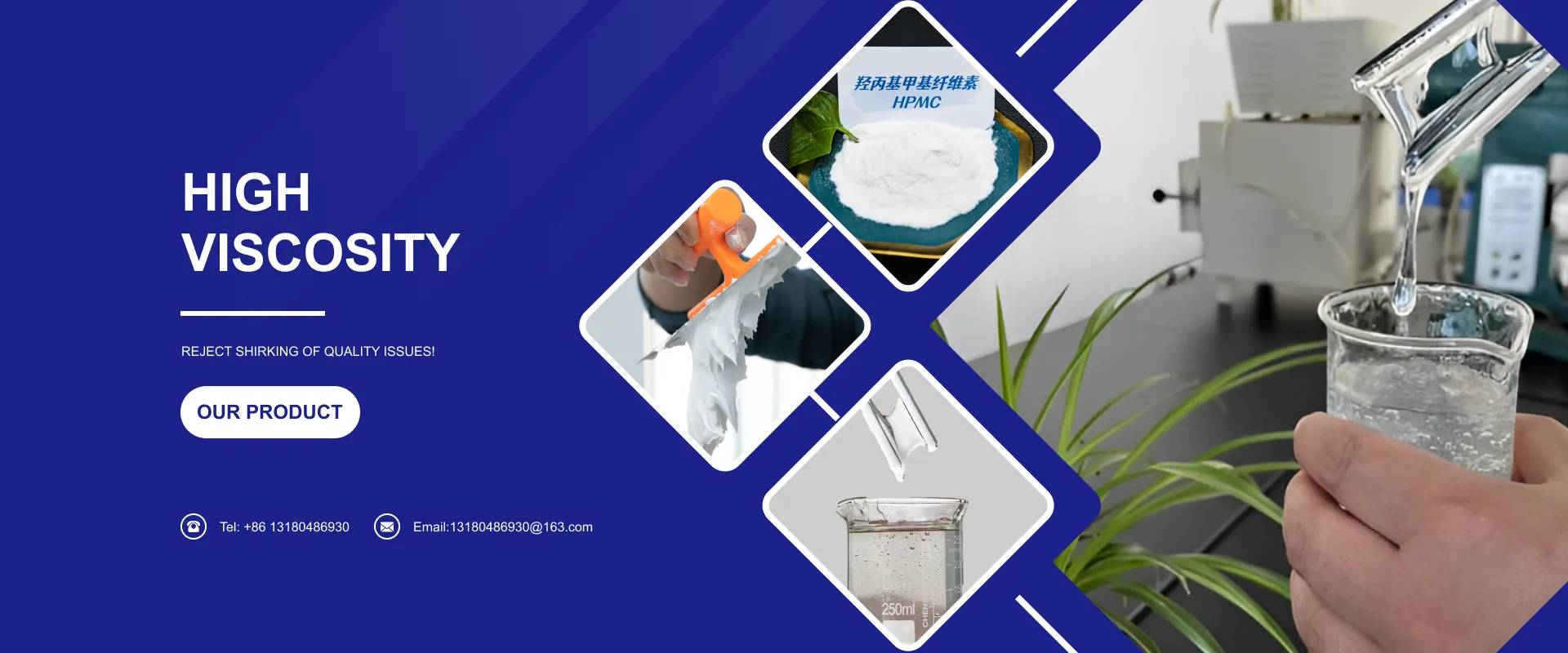
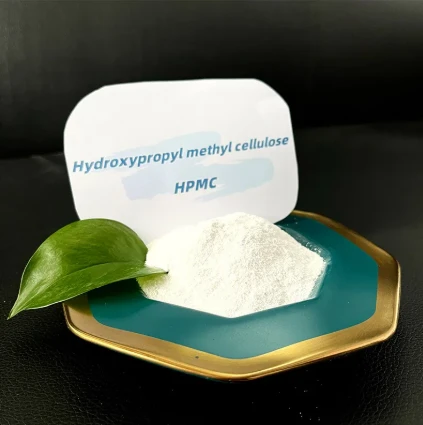
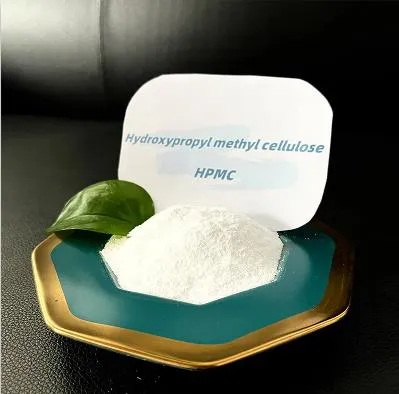
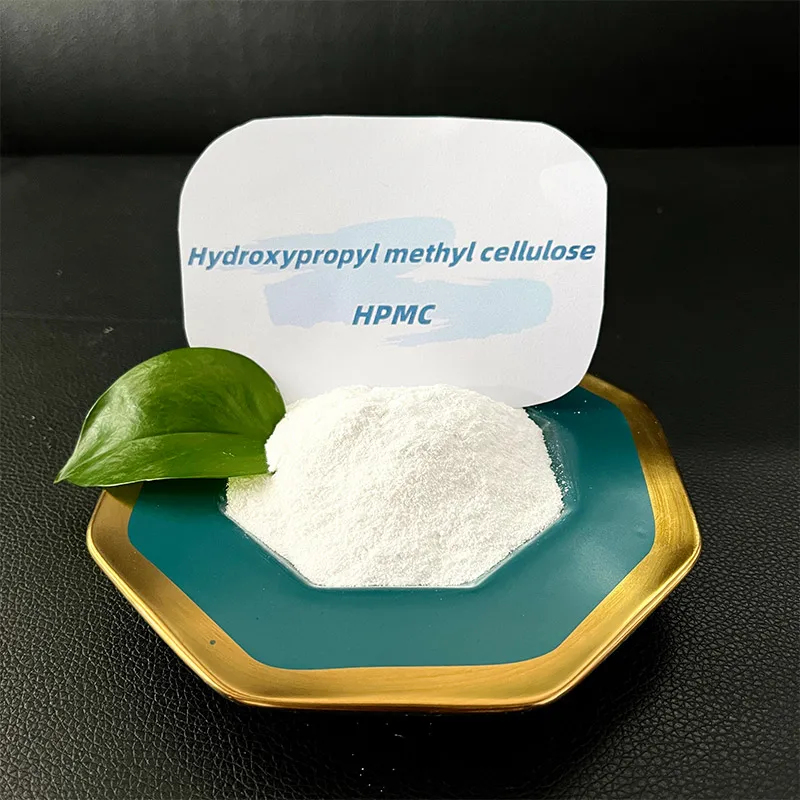
hpmc(Hydroxypropyl methylcellulose, 하이드록시프로필 메틸셀룰로오스)은 다양한 산업 분야에서 활용되는 다기능 첨가제다. hpmc의 화학식은 C56H108O30으로, 이는 셀룰로오스로부터 유래된 천연 고분자 화합물이다. 이 화합물은 특히 건축, 약품, 화장품 등의 분야에서 그 가치를 인정받고 있다. 첫째로, hpmc는 건축 산업에서 일반적으로 사용된다. 시멘트와 석고의 양생을 개선하고, 혼합물의 작업성을 높이는 데 기여한다. 건축 자재에 첨가될 경우, hpmc는 수분 증발을 방지하고, 접착 강도를 향상시켜 구조물의 내구성을 높인다. 이런 기능적 이점 덕분에 hpmc는 전 세계적으로 건축 산업에서 중요한 첨가제로 자리 잡고 있다. 의약품 산업에서도 hpmc의 중요성은 무시할 수 없다 . hpmc는 약물의 제제를 위한 캡슐 또는 정제의 형성을 지원하는데, 이는 약물의 붕괴 시간을 조절하고, 특정 환경에서 약물 방출을 조절하는 데 도움이 된다. 또한, hpmc는 비활성 물질이기 때문에 인체에 안전하며, 여러 제형에서 그 응용 가능성이 높다. 화장품에서는 hpmc가 다양한 기능을 수행한다. 점증제 및 안정제로서의 역할을 하여, 제품의 질감을 개선하고, 사용자의 피부에 부드러운 느낌을 전달한다. 크림, 로션, 젤과 같은 제품에서 사용될 때, hpmc는 제품의 첨가제를 균일하게 분산시켜 제품의 효능을 증가시킨다. 특히, hpmc는 수성 및 유성 혼합 제품에서 안정화제로서의 탁월한 성능을 발휘한다. hpmc 화학식 이처럼 hpmc는 다양한 산업에서 그 활용도가 높으며, 이는 과학적 연구와 장기간의 산업적 경험에 의해 뒷받침되고 있다. 각 산업 분야에서의 응용 사례는 hpmc의 효율성과 신뢰성을 입증하며, 이로 인해 hpmc는 각종 제품의 품질을 향상시키는 주요 요소로 자리매김하고 있다. 전문가들은 hpmc의 고분자 구조가 갖는 독특한 물리화학적 특성이 이와 같은 다기능성을 제공한다고 분석한다. 수용성과 점성을 조절할 수 있는 특성 덕분에, hpmc는 다양한 환경과 조건에서 효과적으로 작용할 수 있다. 특히 환경적으로도 안전하며, 식물을 원료로 하기 때문에 재생 가능하고 친환경적이다. 이런 특성들은 현대 산업에서 점점 더 중요해지는 지속 가능성의 요구를 충족시킨다. hpmc는 이렇게 여러 가지 금, 은, 동 등 귀금속 등의 바인더 역할도 가능하며, 이는 재료 산업에서도 큰 가치를 제공한다. 결론적으로, hpmc는 다양한 산업에서 없어서는 안 될 필수적인 구성 요소로 자리 잡고 있다. 과학적 연구와 산업적 경험을 통해 그 역할이 지속적으로 확장되고 있으며, hpmc의 화학 구조와 물리적 속성 덕분에 각 분야에서 혁신적인 솔루션을 제공하는 데 중요한 기여를 하고 있다.
advantages
-

200000 Viscosities
Excellent product
We can produce pure products up to 200,000 viscosities
-

40000 tons
High yield
We don’t stop production all year round, and the annual output can reach 40,000 tons
-

24 hours
Quality service
We provide 24-hours online reception service, welcome to consult at any time
———— Inquiry Form
Schedule A services

-
 cellulose_wood
Oct . 25, 2025
Exploring the Intricacies of Hydroxyethyl Starch (HES) A Critical Product Insight Hydroxyethyl starc -
 hydroxypropyl_methylcellulose_2
Oct . 25, 2025
HPMC E5 LV, connu sous le nom de hydroxypropylméthylcellulose, est un polymère essentiel dans l'indu -
 hpmc_e5
Oct . 25, 2025
Hydroxypropyl Methylcellulose (HPMC) is a multifunctional polymer with expansive applications in var


